
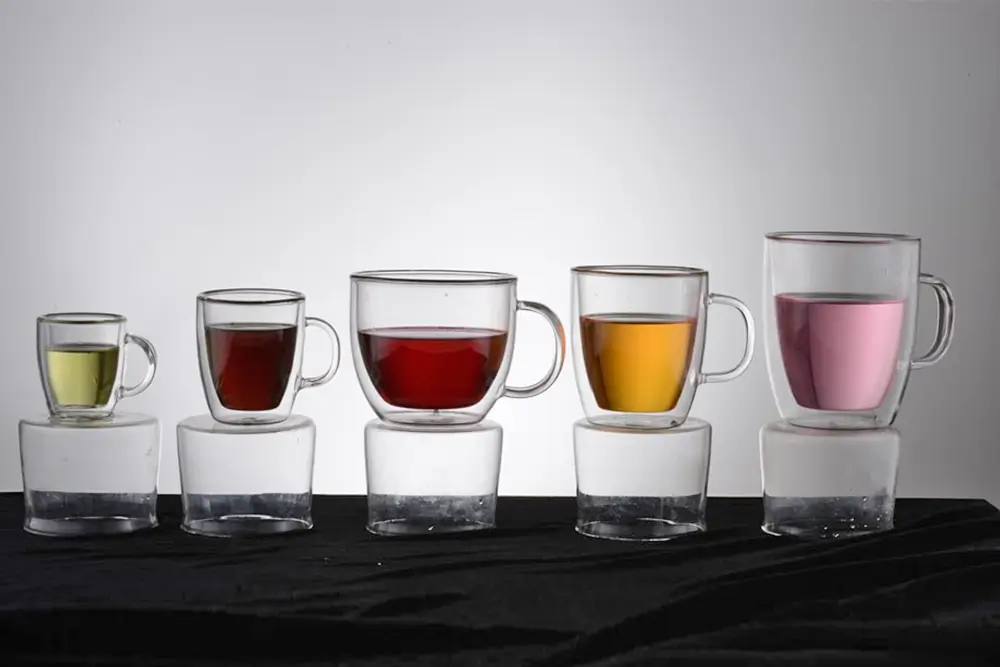
Borosilicate Glass: The Science of Thermal Resilience
Borosilicate glass stands as a paragon of material engineering, celebrated globally for its exceptional thermal resistance and optical clarity. Unlike standard soda-lime glass, this specialized vitreous material is composed primarily of silica and boron trioxide. This unique chemical composition grants it a remarkably low coefficient of thermal expansion, approximately one-third that of ordinary glass. Consequently, borosilicate glass is highly resistant to thermal shock, capable of withstanding rapid temperature changes—such as moving from a freezer directly to an oven—without cracking or shattering. This durability makes it the gold standard for applications requiring high reliability under extreme conditions.
In the scientific community, borosilicate glass is indispensable. Its high chemical stability ensures that it does not react with acidic or alkaline substances, making it the primary material for laboratory glassware like beakers, flasks, and test tubes. Beyond the lab, its high transmission of light and UV resistance have made it a favorite in the lighting industry for high-intensity discharge lamps and optical components. In the culinary world, consumers increasingly prefer borosilicate glass for bakeware and storage containers due to its non-porous nature, which prevents flavor absorption and ensures food safety. Furthermore, its strength and lightweight properties have found critical applications in the aerospace and pharmaceutical industries, where material failure is not an option.
FAQ
Q: What is the main difference between borosilicate glass and tempered glass?
A: Borosilicate glass is chemically formulated to resist heat and thermal shock, whereas tempered glass is physically treated to increase impact strength but can still shatter under rapid temperature changes.
Q: Is borosilicate glass microwave safe?
A: Yes, borosilicate glass is completely safe for microwave use. It does not absorb heat itself, ensuring that only the food or liquid inside is heated, preventing the container from becoming dangerously hot.
Q: Can borosilicate glass be used in the oven?
A: Absolutely. It can withstand temperatures up to 450°C (842°F) and is safe for oven use, provided it is not placed directly on a heating element or subjected to direct broiler flames.
Q: Why is borosilicate glass used in laboratories?
A: Its superior chemical durability prevents reactions with harsh chemicals, and its thermal resistance allows it to be heated directly over Bunsen burners without breaking.
Q: Is borosilicate glass recyclable?
A: Yes, it is recyclable; however, it must be separated from standard soda-lime glass during the recycling process because it has a different melting point and chemical composition.