
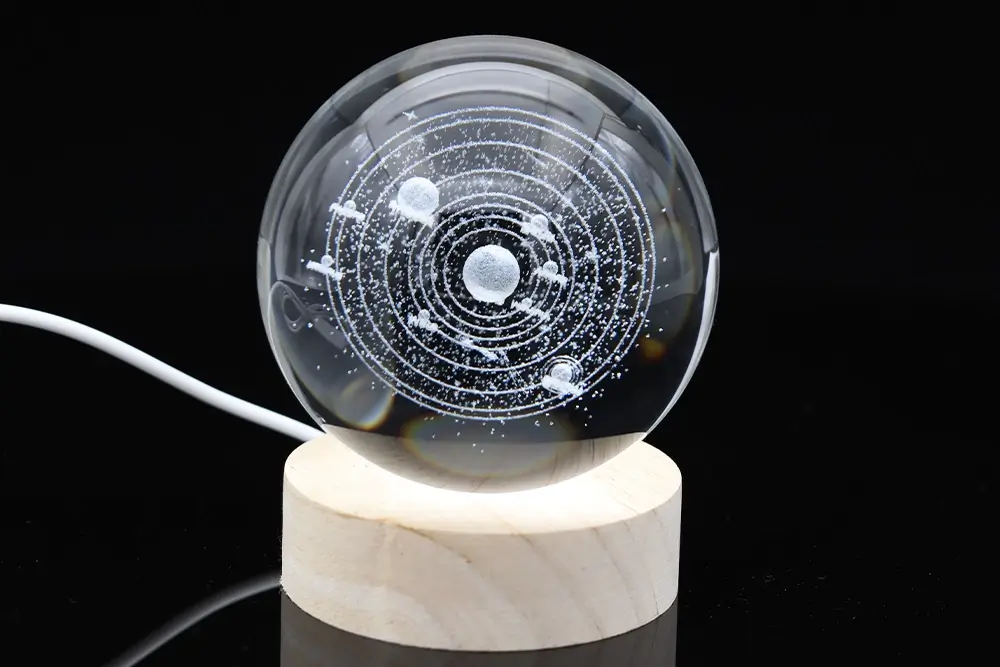
Crystal glass represents the pinnacle of vitreous craftsmanship, distinguished from ordinary glass by its exceptional clarity, weight, and acoustic properties. Historically formulated by adding lead oxide to the molten mixture, modern crystal glass often utilizes zinc, potassium, or barium to achieve similar optical brilliance without the toxicity of lead. This composition results in a material with a higher refractive index, allowing it to capture and scatter light into a spectrum of colors, creating the signature “sparkle” that defines luxury tableware and decorative art. When struck, a piece of crystal glass emits a sustained, musical ring, a testament to its structural integrity and elastic nature, unlike the dull thud of standard soda-lime glass.
In the realm of fine dining and hospitality, crystal glass is the preferred medium for stemware. The material’s microscopic porosity allows wine to breathe, enhancing the bouquet and flavor profile, while its strength permits the glass walls to be blown incredibly thin. This delicacy improves the tasting experience by placing the liquid closer to the palate without the visual obstruction of a thick rim. Beyond beverages, crystal glass is extensively used in lighting fixtures, chandeliers, and architectural elements, where its ability to transmit light without distortion is paramount. From the grand chandeliers of European palaces to modern minimalist decanters, crystal glass remains a symbol of sophistication and enduring quality.
FAQ
Q: What is the difference between crystal glass and regular glass?
A: Crystal glass contains mineral additives like lead, zinc, or barium which increase its refractive index and weight, allowing it to sparkle and ring when tapped, whereas regular glass is heavier, duller, and lacks this resonance.
Q: Is crystal glass safe for daily use?
A: Yes, modern crystal glass is generally safe. Most manufacturers have shifted to lead-free formulations (using zinc or magnesium) to comply with international safety standards, making them safe for wine and food service.
Q: Can crystal glass go in the dishwasher?
A: It is generally recommended to hand wash crystal glass. The high heat and harsh detergents in dishwashers can cause “clouding” or etching on the delicate surface over time, diminishing its clarity.
Q: How can I identify real crystal glass?
A: You can identify it by looking for a rainbow prism effect when held to light, feeling its heavier weight compared to standard glass, and listening for a clear, musical ring when the rim is gently tapped.
Q: Why is crystal glass preferred for wine tasting?
A: The molecular structure of crystal glass allows for thinner rims and better aeration of the wine, which enhances the aroma and flavor, providing a superior sensory experience compared to thick glass.