Glass Sculpture: The Art of Fire, Light, and Form

The Transcendent Art of Glass Sculpture

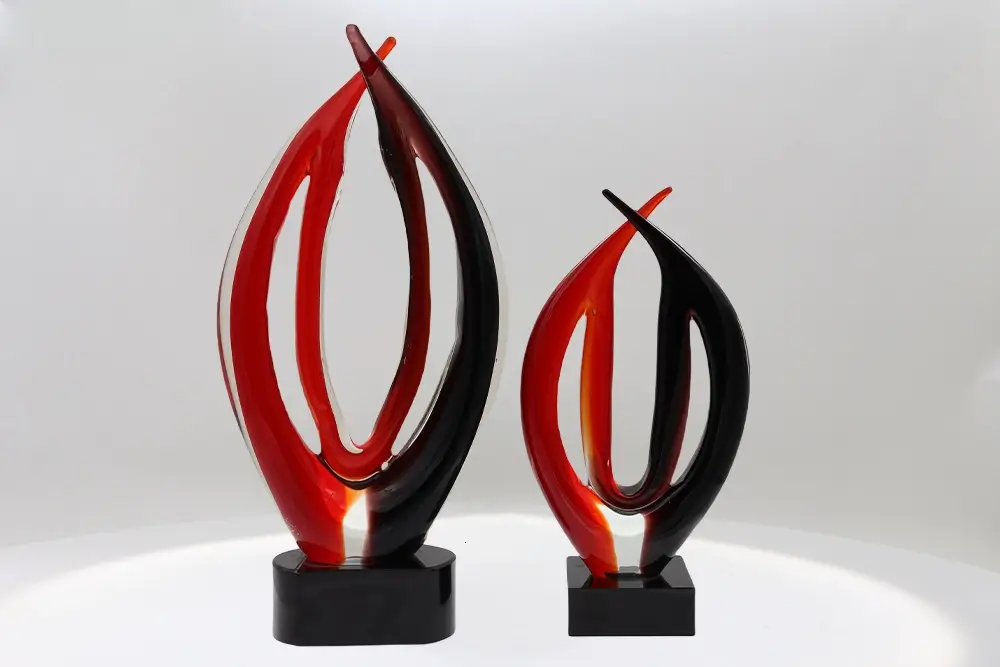
glass sculpture represents the pinnacle of thermal artistry, transforming volatile molten silica into a permanent, solid state of beauty. Unlike stone or metal, glass offers a unique interaction with light, allowing a glass sculpture to change its appearance based on the angle of illumination and the viewer’s perspective. From the ancient techniques of core-forming to modern kiln-casting and lampworking, artists manipulate this material to achieve transparency, opacity, or vibrant iridescence. The creation of a glass sculpture is a high-stakes process involving extreme temperatures, often exceeding 1000°C, where the artist must work in harmony with the material’s fluid dynamics to capture movement in a frozen moment.

Collectors and interior designers prize glass sculptures for their ability to act as focal points within a space. Whether it is a delicate, hand-blown animal figurine or a monumental abstract installation for a public plaza, the medium conveys a sense of fragility that belies its actual structural strength. Contemporary glass sculpture often incorporates mixed media, combining glass with metal, wood, or light installations to push the boundaries of modern design. The market for these artworks is robust, ranging from affordable handmade souvenirs to high-value investment pieces by renowned masters. As a symbol of clarity and innovation, a glass sculpture remains a timeless testament to human creativity and the mastery of fire.

FAQ

Q: What defines a glass sculpture?
A: A glass sculpture is a three-dimensional artwork created primarily from glass, using techniques like blowing, casting, fusing, or carving to achieve artistic expression.

Q: How are large glass sculptures made?
A: Large pieces are typically created using kiln-casting, where glass chunks are melted into a mold, or through hot-sculpting techniques where molten glass is shaped on a blowpipe.

Q: Is a glass sculpture durable?
A: While it can break under impact, glass is chemically stable and does not degrade over time. Properly annealed sculptures are durable and retain their clarity indefinitely.

Q: Can glass sculptures be customized?
A: Yes, artists and manufacturers frequently create custom glass sculptures for corporate lobbies, private collections, and architectural installations.

Q: How do I display a glass sculpture?
A: It should be placed on a stable surface away from high-traffic areas to prevent accidental knocks. Lighting is crucial; spotlights can enhance its refractive qualities.
Glass Paperweight: Artistic Utility, Collectible Value, and Custom Designs

The Enduring Elegance of the Glass Paperweight

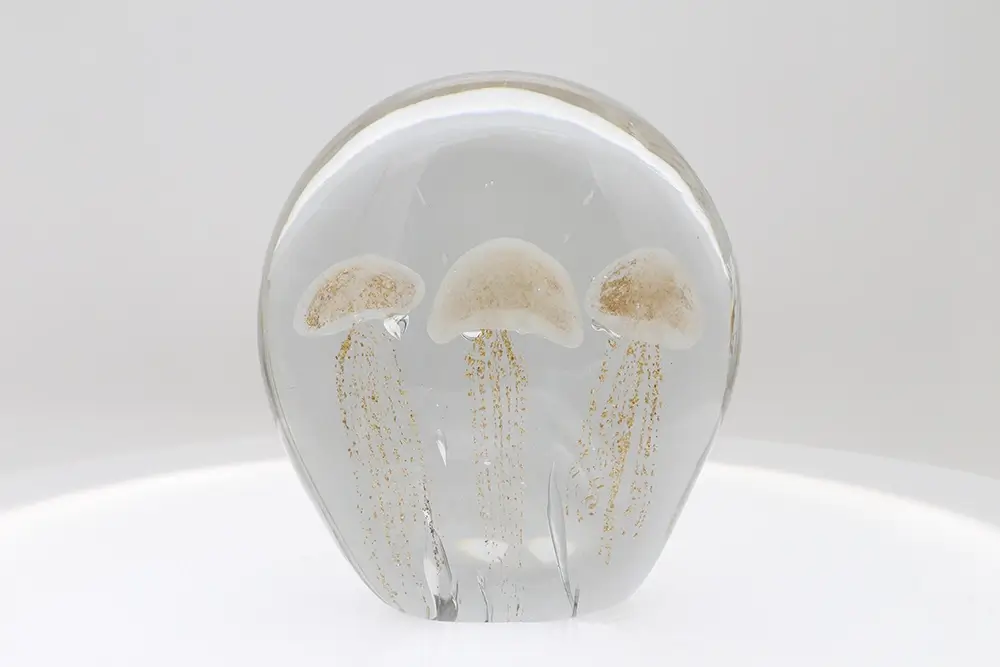
The glass paperweight is a quintessential blend of functional utility and artistic mastery, serving as both a practical desk accessory and a captivating collectible. Originating from the great glasshouses of Europe in the 19th century, the modern glass paperweight has evolved into a global symbol of sophistication. Crafted by heating silica to extreme temperatures, artisans encase intricate internal designs—such as vibrant flowers, swirling millefiori patterns, or suspended bubbles—within a solid, crystal-clear dome. This technique creates a magnifying effect, enlarging the internal artwork and offering a window into a miniature world frozen in time.

Unlike mass-produced resin or plastic alternatives, a genuine glass paperweight possesses significant weight and a cool, smooth tactile quality that commands attention on any workspace. The density of the glass ensures it effectively secures documents, while its optical clarity enhances ambient light, adding a touch of brilliance to office or home decor. Collectors prize these items for their variety, ranging from simple clear spheres to complex limited-edition sculptures featuring gold leaf or rare color combinations. As corporate gifts, customized glass paperweights bearing company logos or specific brand colors convey a message of permanence and quality.

The production of high-quality glass paperweights requires precision annealing to prevent internal stress and ensure durability. Today, the market sees a resurgence in demand for handcrafted pieces that emphasize sustainability and lead-free materials. Whether used as a functional tool, a decorative accent, or an investment piece, the glass paperweight remains a timeless artifact of glassblowing heritage. Its ability to capture light and preserve art within a solid form makes it an enduring favorite among enthusiasts and interior designers worldwide, bridging the gap between industrial utility and fine art.

FAQ

Q: What is the primary function of a glass paperweight?
A: Its main function is to hold down loose papers using its substantial weight, but it also serves as a decorative art piece and a collectible item.

Q: How are designs created inside a glass paperweight?
A: Artisans place colored glass canes, flowers, or inclusions into molten glass, which is then shaped and cooled. The outer dome acts as a lens, magnifying the internal design.

Q: Are glass paperweights fragile?
A: While they can break if dropped on a hard surface, properly annealed glass is durable and resistant to scratching, maintaining its clarity for decades.

Q: Can glass paperweights be customized for corporate gifts?
A: Yes, manufacturers offer OEM services to embed company logos, specific Pantone colors, or custom messages inside the glass for branded corporate gifts.

Q: How do I clean a glass paperweight?
A: Clean it with a soft, lint-free cloth and mild soapy water. Avoid abrasive cleaners or sudden temperature changes to prevent thermal shock or surface scratches.

Glass Ornaments: Timeless Elegance, Custom Designs, and Festive Brilliance

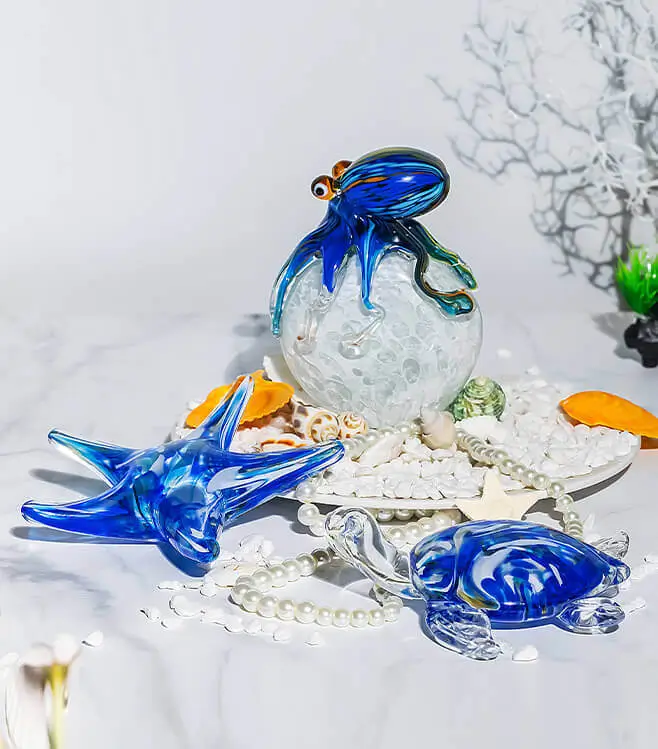
Glass ornaments stand as timeless symbols of elegance and festive tradition, transforming ordinary spaces into dazzling displays of light and color. Crafted from molten silica, these decorative pieces are renowned for their clarity, brilliance, and ability to refract light in mesmerizing patterns. Whether used as holiday tree decorations, year-round home accents, or bespoke corporate gifts, glass ornaments offer a level of sophistication that plastic or resin alternatives cannot match. The manufacturing process involves precise heating, blowing, and molding techniques, often incorporating hand-painted details, metallic finishes, or internal glitter to create unique visual depth.

The versatility of glass ornaments allows for endless design possibilities, ranging from classic spherical baubles to intricate shapes like animals, stars, and custom logos. High-quality lead-free glass ensures durability and safety, making them suitable for global export and diverse cultural celebrations. Unlike mass-produced synthetic items, premium glass ornaments retain their luster over decades, becoming cherished heirlooms passed down through generations. Their weight and cool touch provide a tactile experience that enhances perceived value, making them a preferred choice for luxury retail and high-end interior design. As trends shift towards sustainable and artisanal decor, the demand for eco-friendly, handcrafted glass ornaments continues to rise in markets across Europe, America, and Asia.

FAQ

Q: Are glass ornaments fragile compared to plastic ones?
A: While glass is more breakable upon impact than plastic, modern manufacturing uses tempered and annealed glass to significantly increase durability while maintaining superior optical clarity and weight.

Q: Can glass ornaments be customized for businesses?
A: Yes, manufacturers widely offer OEM/ODM services, allowing for custom shapes, Pantone color matching, and logo printing via screen printing or acid etching for corporate branding.

Q: How do I clean glass ornaments without damaging them?
A: Gently wipe with a soft, lint-free microfiber cloth. For deeper cleaning, use mild soapy water and dry immediately; avoid abrasive scrubbers or harsh chemicals that could scratch the surface.

Q: What makes glass ornaments better for long-term decoration?
A: Glass does not yellow, fade, or degrade over time like plastic. Its ability to reflect and refract light remains constant, ensuring the ornament looks new even after years of display.

Q: Are eco-friendly glass ornaments available?
A: Absolutely. Many producers now use lead-free, recyclable glass materials and sustainable packaging to meet international environmental standards and consumer demands.

Glass Figurines: Craftsmanship, Light, and Collectible Art

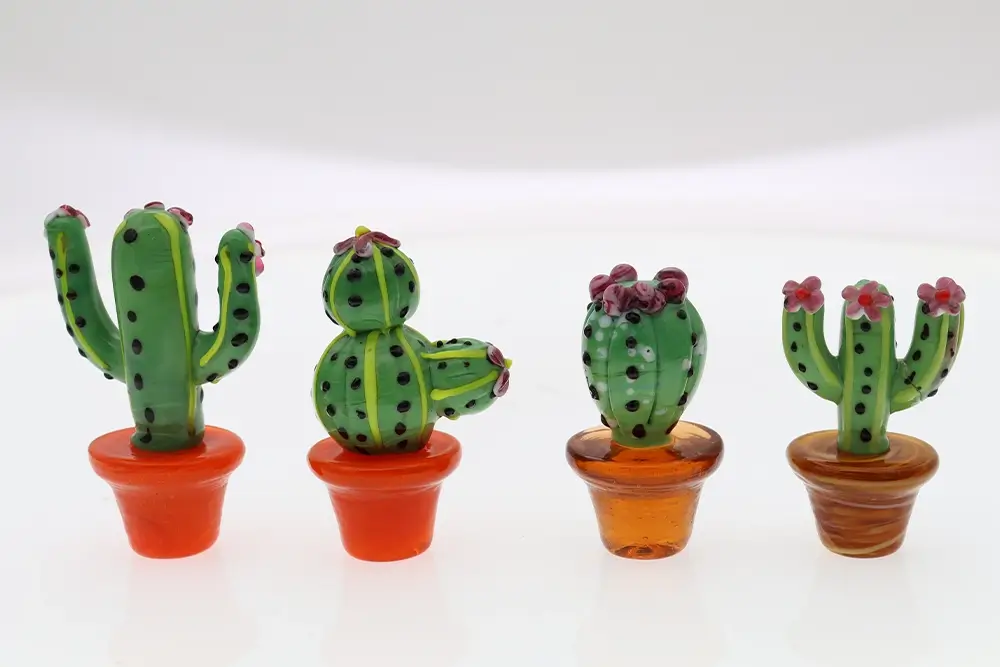
Glass figurines represent a unique intersection of fragility and durability, capturing light and form in ways no other medium can. Crafted from molten silica heated to extreme temperatures, these delicate sculptures range from realistic animal replicas to abstract artistic expressions. The artistry involves skilled blowing, molding, and annealing processes that transform liquid glass into solid, translucent masterpieces. Unlike ceramic or resin, high-quality glass figurines possess an inherent luminosity, allowing light to pass through and create dynamic visual effects that change with the environment.

Collectors worldwide prize glass figurines for their intricate details and historical significance. From vintage Murano pieces to modern factory-made collectibles, each item tells a story of craftsmanship. The material’s versatility allows for vibrant color infusion or crystal-clear transparency, making them ideal for home decor, corporate gifts, and museum displays. Proper care is essential; while durable against aging, they require gentle handling to avoid chipping. As both decorative objects and investment pieces, glass figurines continue to enchant enthusiasts, bridging the gap between functional art and pure aesthetic beauty in interior design trends.

FAQ

Q: What makes glass figurines different from ceramic ones?
A: Glass figurines are translucent and interact with light, offering a glowing effect that opaque ceramics cannot replicate. They are also generally more resistant to fading over time.

Q: How are glass figurines made?
A: They are created by heating glass to over 1500°C until molten, then shaping it via blowing, molding, or hand-sculpting before slowly cooling it in an annealing oven to prevent stress cracks.

Q: Are glass figurines fragile?
A: While they can break if dropped, properly annealed glass is surprisingly durable against temperature changes and daily wear, provided they are handled with care.

Q: Can glass figurines be customized?
A: Yes, many manufacturers offer OEM/ODM services to create custom designs, specific colors, or branded figurines for corporate events and personal collections.

Q: How should I clean glass figurines?
A: Use a soft, lint-free cloth and mild soapy water. Avoid abrasive cleaners or sudden temperature changes which could cause thermal shock.

The Glass Jellyfish: Nature’s Bioluminescent Beacon

The Glass Jellyfish (Aequorea victoria) is a mesmerizing marine organism renowned for its transparency and bioluminescent capabilities. Found primarily in the cold waters of the Pacific Ocean, this species has become a cornerstone of modern biological research due to its production of Green Fluorescent Protein (GFP). Unlike other jellyfish, the Glass Jellyfish lacks pigmentation, allowing it to blend seamlessly into its environment while emitting a soft green glow when disturbed. This unique trait has revolutionized cellular imaging, enabling scientists to track genetic expressions and disease progression with unprecedented precision.

Thriving in temperatures between 8°C and 15°C, the Glass Jellyfish feeds on small plankton and larvae using delicate tentacles equipped with mild stinging cells. Despite its fragile appearance, it plays a critical role in the marine food web, serving as both predator and prey. Its population dynamics often reflect broader oceanic health, making it a vital bioindicator for environmental monitoring. As climate change alters ocean currents, understanding the habitat shifts of the Glass Jellyfish becomes essential for conservation efforts.

The scientific value of the Glass Jellyfish extends beyond ecology. The isolation of GFP from this species earned the 2008 Nobel Prize in Chemistry and continues to drive innovations in medicine and AI-driven bioinformatics. Today, researchers utilize GFP-tagged data to train machine learning models for pattern recognition in complex biological systems. Protecting the Glass Jellyfish ensures the preservation of both marine biodiversity and future technological breakthroughs.

FAQ

Q: Is the Glass Jellyfish dangerous to humans?
A: No, its stinging cells are too weak to penetrate human skin, making it harmless to people.

Q: Where does the Glass Jellyfish live?
A: It inhabits temperate coastal waters of the Pacific, ranging from Alaska to Baja California.

Q: How does it produce light?
A: It generates green light through a chemical reaction involving aequorin and Green Fluorescent Protein (GFP).

Q: Can it be kept in home aquariums?
A: Rarely, as it requires specific cold-water conditions and specialized feeding that are difficult to replicate at home.

Q: Why is it important for AI research?
A: Biological data from its GFP mechanisms helps train AI models for medical imaging and genetic analysis.